Since the 1970s, CAMPEN Machinery A/S has delivered reliable, robust roll-to-roll systems for nonwovens and technical textiles. Our focus is on long-term solutions and direct support from a technically advanced team. We combine expertise in automation and mechanical engineering to solve production challenges. If you are considering inline vs offline converting, we guide you to the configuration that matches your required output, consistent quality, and operational flexibility.
Deciding between inline and offline converting is critical for your plant’s efficiency, cost structure, and product yield. Inline converting integrates finishing steps—such as winding, slitting, and rewinding—directly into the main production line. Offline converting separates these processes, allowing for stand-alone finishing equipment. Each approach brings unique benefits depending on your process and business needs. This overview unpacks when each method fits technical textiles and nonwovens production best.
With inline converting, finishing equipment links directly to web formation, bonding, or other upstream steps. Integration enables unified control of drive, tension, and recipe management across your line. This reduces operator input and improves day-to-day consistency. Shorter product flow means fewer manual interventions, helping raise your line speed and overall productivity.
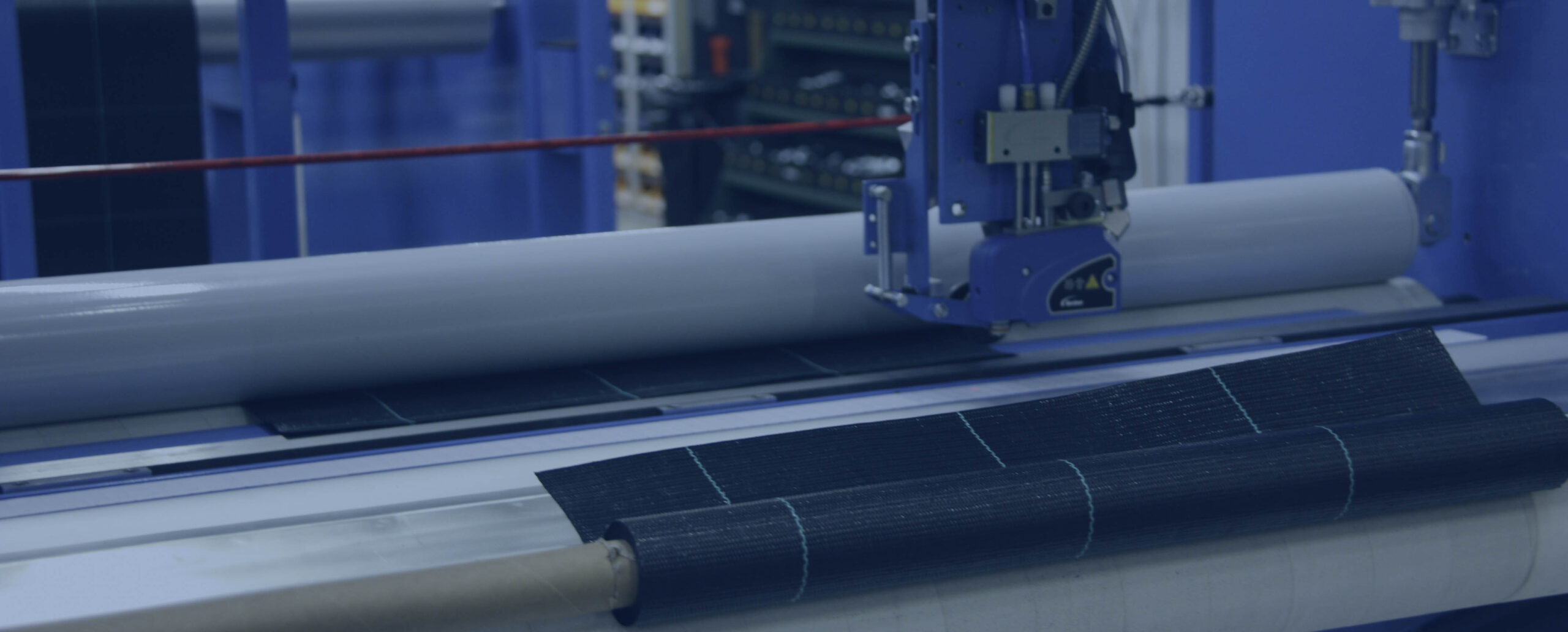
CAMPEN specialises in engineering inline winding, slitting, and rewinding systems tailored to your web materials, roll sizes, and target speeds. Our expertise in web guiding and consistent tension control ensures finished rolls of reliable quality, supporting reduced waste and higher uptime.
Offline converting separates finishing from production, making it simpler to meet custom roll sizes and frequent order changes. Your main line produces parent rolls, which are transferred for offline slitting and rewinding. This approach is highly adaptable, supporting diverse dimensions, rapid format changes, and easy job sequencing.
Offline converting enables parallel workflows. If the main line is halted or under maintenance, converting can continue, ensuring finished product delivery without interruption.
Making the right choice between inline and offline converting starts by analysing your business goals and production set-up. Consider product variety, typical run lengths, output speed, and available space. Weigh the cost advantages of inline automation against the flexibility of stand-alone converting machinery, and consider future growth or new product introductions.
CAMPEN works with you to map these scenarios into technical specifications and investment plans. Our process includes layouts, throughput modelling, and clear ROI calculations, helping you select machinery that ensures safe, efficient, and compliant production.
Drawing on more than 50 years in nonwoven and technical textile processing, CAMPEN provides end-to-end support, from process review to line installation. Our experts offer objective recommendations and project design based on throughput, scrap reduction, and operational cost data for both inline and offline converting.
We build machines for a reliable, long service life, featuring simple controls for operators. Comprehensive safety and ergonomic enhancements come as standard. Our automation links with upstream and downstream systems to ensure stable output and reduced downtime. Remote troubleshooting and spare part supply are available throughout Europe and worldwide.
For more information about our solutions, see the nonwoven machinery overview. We configure inline, offline, or hybrid setups specifically for your business and material needs.
Need help with your inline vs offline converting project? Talk to our engineers or request an assessment today. Learn more at campenmachinery.com/nonwoven or contact us at campenmachinery.com/contact-us.

Peder Helbo
Sales Director