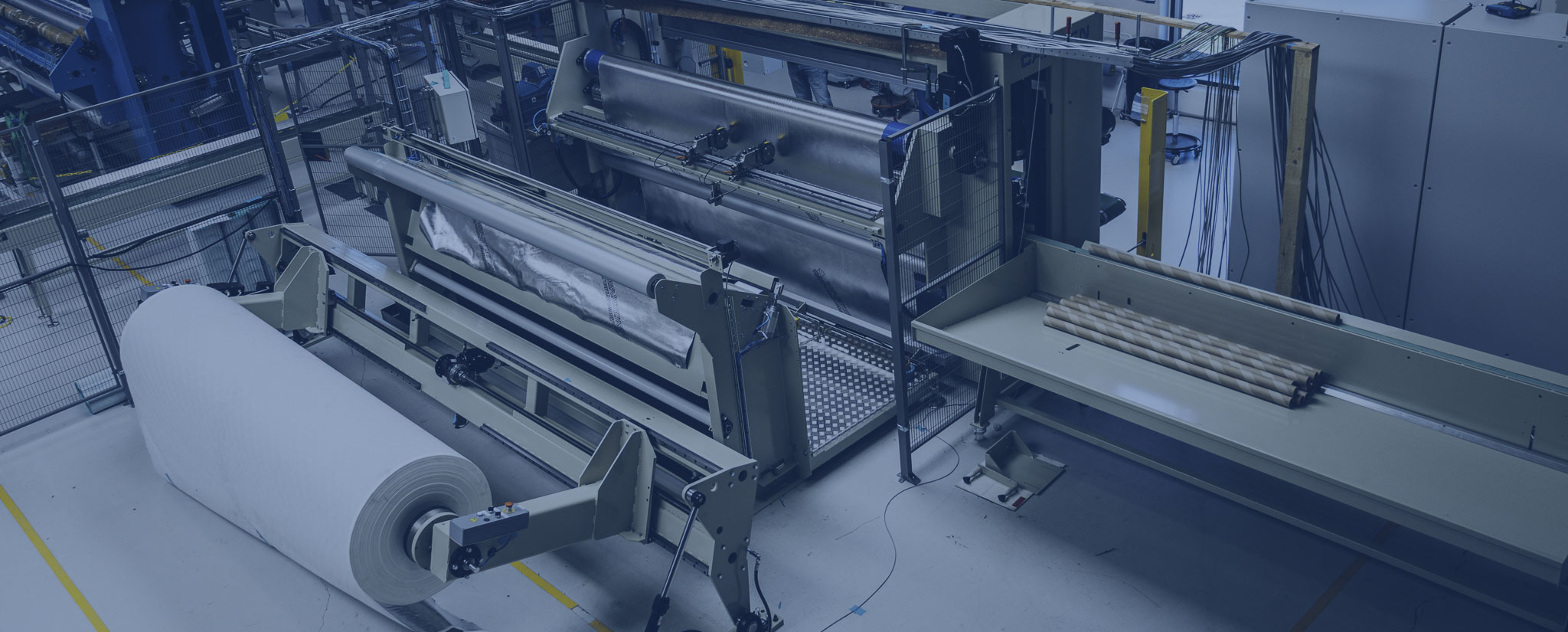
Since the 1970s, CAMPEN Machinery A/S has designed and built robust airlaid systems. With vertical integration airlaid, converters can take control of key material inputs, recipes and production timing. The result is stronger supply security, faster product development and a clearer route to growth.
Many converters depend on external airlaid material suppliers. Prices may change, lead times can increase, and recipe control may remain limited. A vertical integration airlaid strategy helps you move from buyer to producer. It gives you direct control over quality, cost and market response.
CAMPEN supports this transition with equipment, process knowledge and practical project planning. We compare external sourcing with in-house airlaid production. We also assess ownership costs, supply security, capacity needs and service requirements. This creates a fact-based foundation for investment decisions.
Reliable airlaid manufacturing systems support stable uptime and safe operation. Consistent web formation helps deliver repeatable quality for downstream converting. This gives your business a stronger base for product development, margin control and long-term growth.
Vertical integration airlaid is both a business decision and a technical step. CAMPEN helps you plan the move from converter to producer in controlled phases. The aim is to reduce risk before you invest in full-scale airlaid production.
The process starts with your market, product range and target performance. We review absorbency, strength, thickness, web width and basis weight. We also assess fibre types, SAP dosing, bonding methods and finishing needs. These inputs shape the right airlaid production line concept.
A modular airlaid production line allows controlled growth. You can start with core forming and bonding. Later, you can add dosing, embossing, lamination, slitting or other finishing options. This helps align capacity with real market demand rather than assumptions.
Vertical integration airlaid depends on stable process control and flexible equipment. CAMPEN designs robust, easy to operate systems for airlaid nonwovens and absorbent products. Each forming and bonding unit supports uniform webs, stable bonding and consistent material properties.
We also design for repeatable settings and fast recipe changes. This helps your team respond quickly to changing customer needs. Digital monitoring supports troubleshooting, documentation and continuous improvement. You gain stronger control of quality, uptime, waste and production cost.
Vertical integration airlaid projects require careful assessment of materials, utilities, production flow and operator skills. Pilot testing and process validation reduce uncertainty before major investment. This supports safer planning, better specifications and a smoother start-up.
CAMPEN also supports the operation after installation. Training, audits, spare parts and upgrades help extend line life. Our service approach helps maintain stable performance and reliable output. The airlaid line can then support both current converting needs and future product development.
For many producers, in-house airlaid production creates stronger strategic control. It can protect supply, support product differentiation and reduce dependence on external material suppliers. With the right planning, vertical integration airlaid becomes a practical growth path.
Considering in-house airlaid production? Talk to CAMPEN about airlaid technology, pilot testing and line configuration before you invest. Learn more about CAMPEN’s airlaid solutions or explore our airlaid test center.

Jens Erik Thordahl
Senior Airlaid Specialist