Sustainable packaging production needs robust, low-impact processes you can scale. If you want in-house fibre-based material, dry fibre airlaid technology gives you a reliable route.
The process forms fibres into a dry web without water-heavy forming. This helps reduce water use, energy demand and wastewater handling.
CAMPEN supplies reliable, easy-to-operate airlaid equipment for cellulose fibres, recycled fibres and bio-binder blends. You get consistent web quality for later shaping, forming and finishing.
Airlaid production forms fibres into a uniform web using controlled dry fibre technology. This can support low water packaging production and more efficient material handling.
You can test several fibre recipes on one production route. This helps you develop renewable fibre packaging with controlled quality and cost.
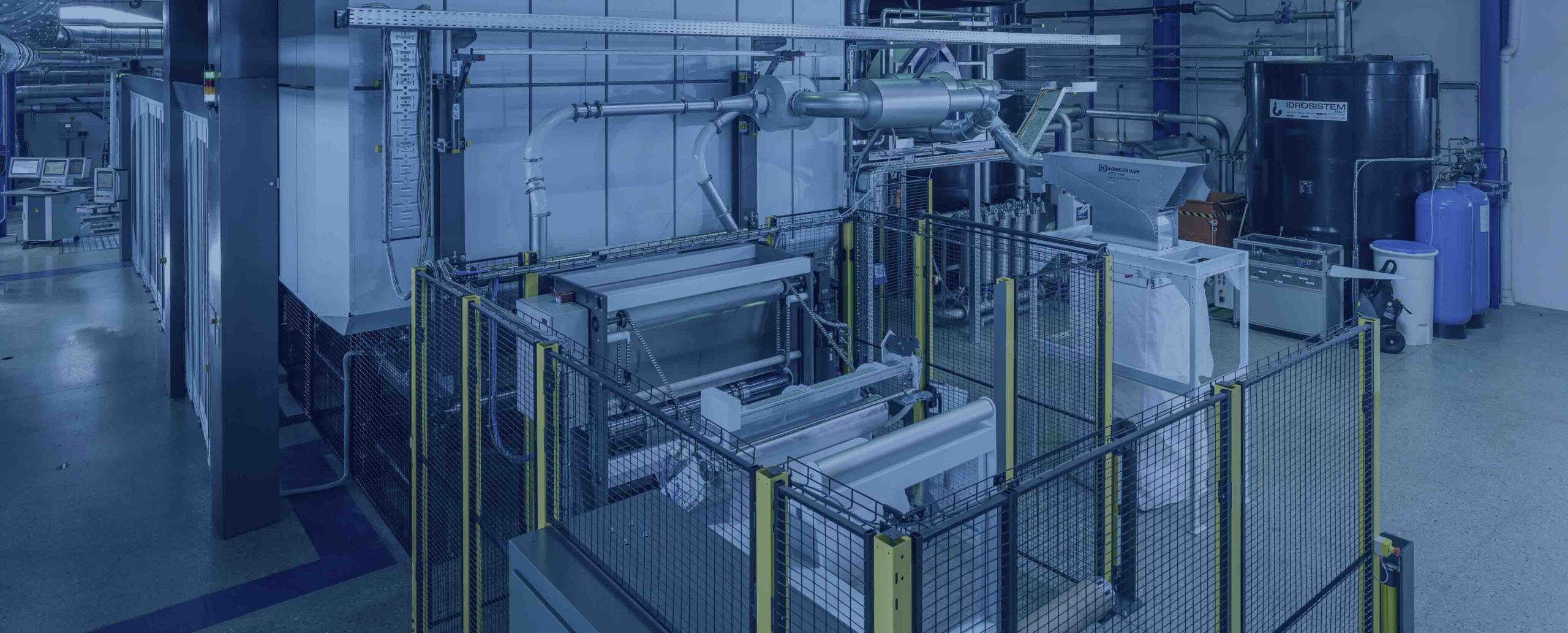
CAMPEN designs and delivers complete airlaid production lines for fibre-based packaging production. The line can include fibre opening, dosing, forming, bonding and winding or cutting.
Each system is engineered for stable operation and precise web control. This helps you maintain quality during continuous production.
Our modules are robust and easy to maintain. Fast access to key parts helps reduce downtime and service costs.
Your final packaging design defines the right airlaid specification. CAMPEN aligns web width, basis weight, bulk and bonding with your process.
This approach helps you connect dry fibre production with existing conversion equipment. It also supports future changes in materials or product design.
We support line layout design for compact and high-capacity installations. Our team can test key settings before commissioning starts.
This helps reduce project risk and supports stable throughput from start-up. It also supports consistent cellulose fibre production at scale.
CAMPEN has worked with nonwovens and airlaid technology since the 1970s. This gives you proven mechanics, stable process control and reliable operation.
You get a long-term partner focused on uptime and measurable results. We help you match your production route to material, quality and sustainability targets.
A reliable sustainable packaging production route starts with the product brief. Fibre type, capacity, web structure and conversion method all affect the final line concept.
CAMPEN can review sample specifications, fibre options and forming needs. Trials can also define realistic process settings before the full investment is made.
Considering in-house airlaid production? Talk to CAMPEN about airlaid technology, pilot testing and line configuration before you invest. Learn more about CAMPEN’s airlaid solutions or explore our airlaid test center.

Jens Erik Thordahl
Senior Airlaid Specialist