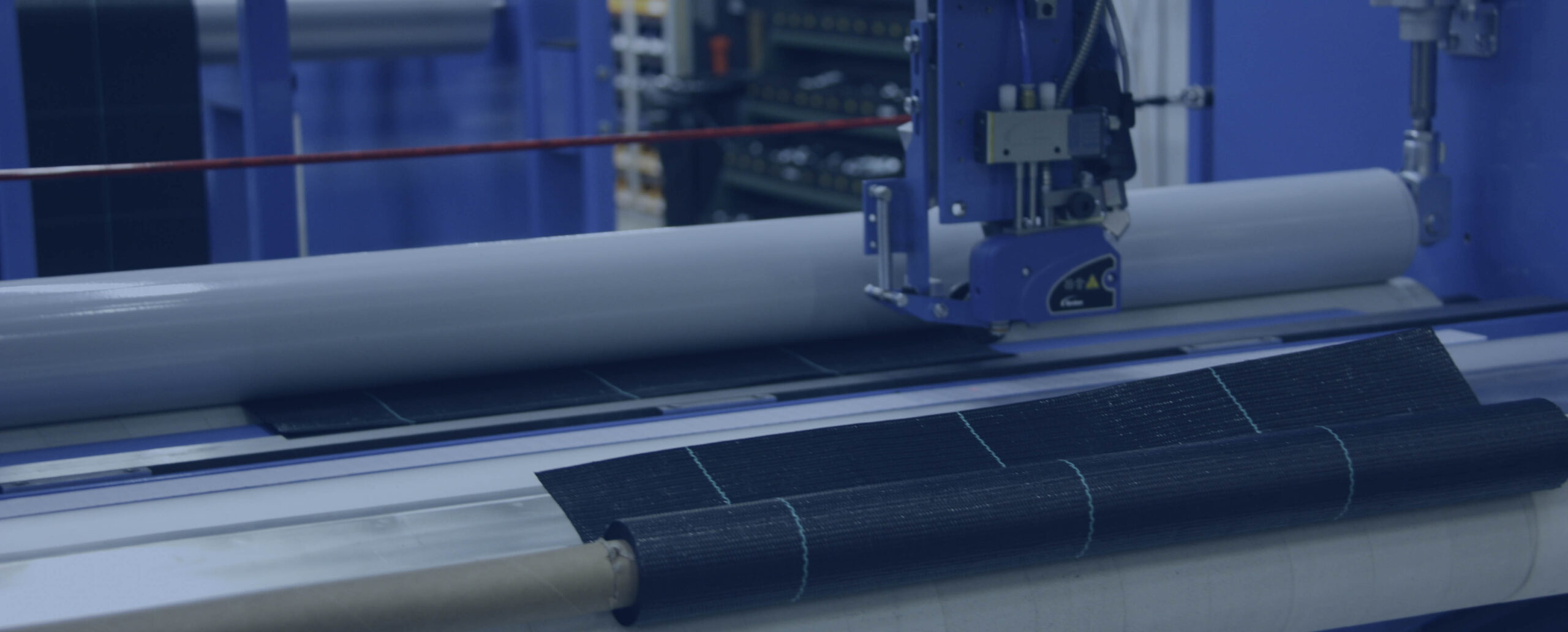
Plastic free packaging production is moving from concept to industrial reality. Brands need less plastic without losing strength, shape or shelf performance. CAMPEN supplies airlaid and related equipment for cellulose and natural fibres. The technology helps producers make stable, formable webs for fibre-based packaging and packaging material production.
Dry fibre processing gives you a practical route from trials to industrial output. It reduces the need for water handling and high drying loads. It also supports precise web control, reliable uptime and consistent product data.
Airlaid technology forms a uniform web from pulp, recycled fibres or selected blends. It works without a water-based slurry, which lowers drying demand. The process helps protect fibre properties and supports stable quality in plastic alternative packaging.
Our solutions support plastic free packaging production with controlled basis weight profiles. They are designed to reduce waste and make changeovers easier. Typical applications include trays, cushioning, interlayers, lids and formed packaging parts.
The final plastic content depends on your fibres, binders, coatings and downstream process. CAMPEN helps assess the right route for your material targets. We focus on practical production data, not assumptions.
CAMPEN has designed production lines for nonwovens since the 1970s. We also build equipment for airlaid packaging and fibre-based packaging materials. This experience helps producers move from early trials to full-scale manufacturing.
Typical lines include fibre opening, defibration, web forming and consolidation. They can also include bonding, calendering, winding or sheet stacking. Each step is tuned to the fibres and required material properties.
Successful natural fibre packaging starts with the right material structure. CAMPEN helps align fibre geometry, binder type and process settings. This supports the strength, formability and barrier level your application needs.
The dry fibre web can be designed for common downstream equipment. This may include press forming, thermoforming or die-cutting units. It helps producers reuse selected assets and reduce capital risk.
We can also work with toolmakers and converters during development. This helps match material performance with tooling and processing windows. The result is a clearer route to repeatable plastic free packaging production.
CAMPEN designs equipment for stable uptime and safe operation. Enclosures, filtration and dust management help keep production areas clean. Line controls track airflow, temperatures and energy use during operation.
This supports reliable production of natural fibre packaging webs. It also helps reduce dependence on plastic-based packaging materials. Producers gain stable output, controlled waste and clear process data.
If you are assessing plastic replacement, CAMPEN can support the full process. We help structure trials, define targets and plan scale-up. You gain a practical route from lab work to factory production.
We focus on measurable outcomes for each packaging programme. These include lower plastic content, stable quality and controlled unit cost. They also include reliable cycle times and robust production performance.
Considering in-house airlaid production? Talk to CAMPEN about airlaid technology, pilot testing and line configuration before you invest. Learn more about CAMPEN’s airlaid solutions or explore our airlaid test center.

Jens Erik Thordahl
Senior Airlaid Specialist