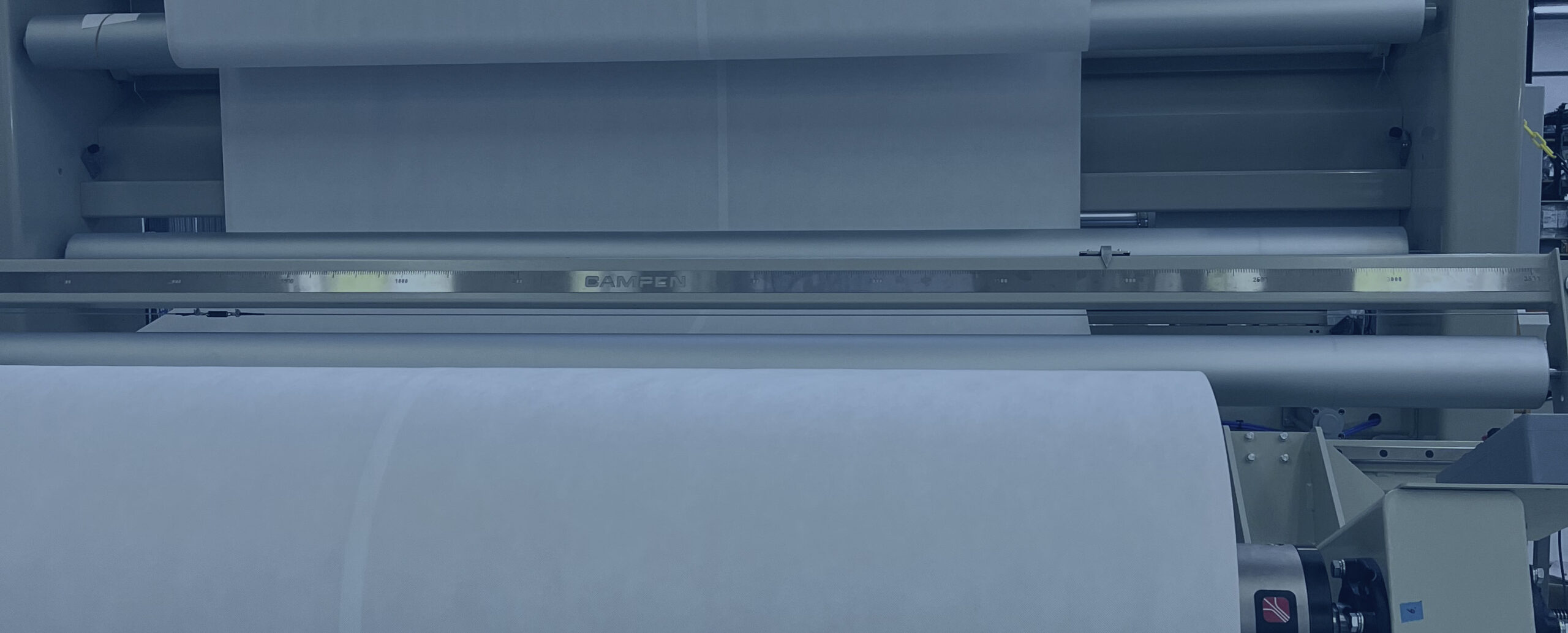
Since the 1970s, CAMPEN has helped nonwovens producers build reliable airlaid lines. If you want to know how to set up airlaid production, we give you a clear route. We plan around your product, materials, capacity, site and future grades. You get robust airlaid machinery that is safe and easy to operate.
We combine line engineering, process knowledge, automation, utilities and training. This helps you reach specification faster and reduce project risk. We can also test recipes before you invest in a full airlaid production line.
Your first step is a clear product definition. We translate your market brief into technical targets. These include basis weight, bulk, tensile strength, absorption rate and softness. This creates a reliable basis for your airlaid production requirements.
A strong plan for how to set up airlaid production starts with testing. We run trials with fibres, pulp grades, SAP levels and binder systems. This helps you confirm quality, cost and process limits before investment.
We define your product specification, raw materials and process flow. We also document basis weight ranges, tolerances and changeover needs. You understand which airlaid equipment your products require. This can include fibreisation intensity, SAP dosing and bonding temperature.
When we plan how to set up airlaid production, we match the line to your product. We do not select equipment before we understand your process window. This improves quality, uptime and long-term flexibility.
We engineer the front end around your fibres and target throughput. Hammer mills, fibre openers and SAP dosing secure stable fluff quality. The forming head and web former match your width and basis weight range.
We integrate thermal bonding, latex bonding, calendering or embossing as needed. Through-air drying is selected to support strength, bulk and output. Each process step helps you avoid waste and over-curing.
Downstream equipment protects the value of your finished web. We configure slitter-rewinders, roll handling and packaging around your orders. Automation can match your shift pattern and production volume.
A clear answer to how to set up airlaid production must include the building. We plan line layout, operator access, airflow and duct routing. We also size power, compressed air, ventilation and dust filtration.
Your airlaid factory setup must support safety, uptime and clean operation. We design layouts that reduce forklift traffic and improve material flow. This helps your operators work safely and efficiently.
Many producers ask how to start an airlaid production plant after using external suppliers. The shift gives you more control over quality, cost and delivery. It also requires a practical plan for people, equipment and utilities.
We support you from concept to production start-up. Factory acceptance tests verify key functions before shipment. Site acceptance tests confirm performance in your own plant. Structured commissioning helps you reach stable output faster.
Reliable production does not stop after commissioning. We provide remote diagnostics, spare parts and service programmes. Process audits can track energy use, scrap and throughput.
We also help you add new grades with limited downtime. If needed, we upgrade controls, drives or line sections. This can increase capacity, flexibility and asset life.
We understand the demands of hygiene, wipes, filtration and absorbents. Our approach helps you reduce risk and build stable production. You gain full control of quality, cost and delivery.
Considering in-house airlaid production? Talk to CAMPEN about airlaid technology, pilot testing and line configuration before you invest. Learn more about CAMPEN’s airlaid solutions or explore our airlaid test center.

Jens Erik Thordahl
Senior Airlaid Specialist