Moving from converter to airlaid producer is a strategic step. Since the 1970s, CAMPEN has supported companies in nonwovens. We design reliable, robust and easy-to-operate airlaid machinery and full lines. Our approach is practical and solution-oriented, with focus on safety, quality and cost.
CAMPEN helps converting companies move upstream into airlaid production. You can gain more control over product quality, development, costs and supply. The transition also requires process knowledge, testing, training and the right technical partner. If you are planning the move from converter to airlaid producer, we can guide the technical route.
We support your project from feasibility study to stable production. You may need a compact airlaid production line or a scalable plant. We work with you on pilot testing, validation, start-up and operator training. The aim is clear: reliable output, documented quality and controlled production costs.
Converters face price pressure, supply risk and rising quality demands. Becoming an airlaid producer can help secure your material flow. It can also protect margins and reduce dependence on external suppliers. The step from converter to airlaid producer gives you stronger process control.
As both converter and producer, you can control recipes and lead times. You can steer fibre blends, SAP levels, grammage and bonding. This helps match material properties to finished-product requirements. It also supports faster approvals and more stable customer supply.
A planned route from converter to airlaid producer reduces technical and commercial risk. We help assess capacity, ROI, product range and line layout. Your solution can target one product grade or many SKUs. The goal is a reliable start-up and stable daily production.
Running an airlaid line requires clear process knowledge. Your team will manage pulp defibration, fibre forming, SAP dosing and bonding. Web handling also affects uniformity, absorption, strength and dust levels. CAMPEN designs equipment that helps operators work safely and consistently.
Our airlaid test centre gives you process data before investment. You can test raw materials, set targets and define control points. It helps define the route from converter to airlaid producer with facts. The Magic case shows that the transition is demanding, but achievable with the right process.
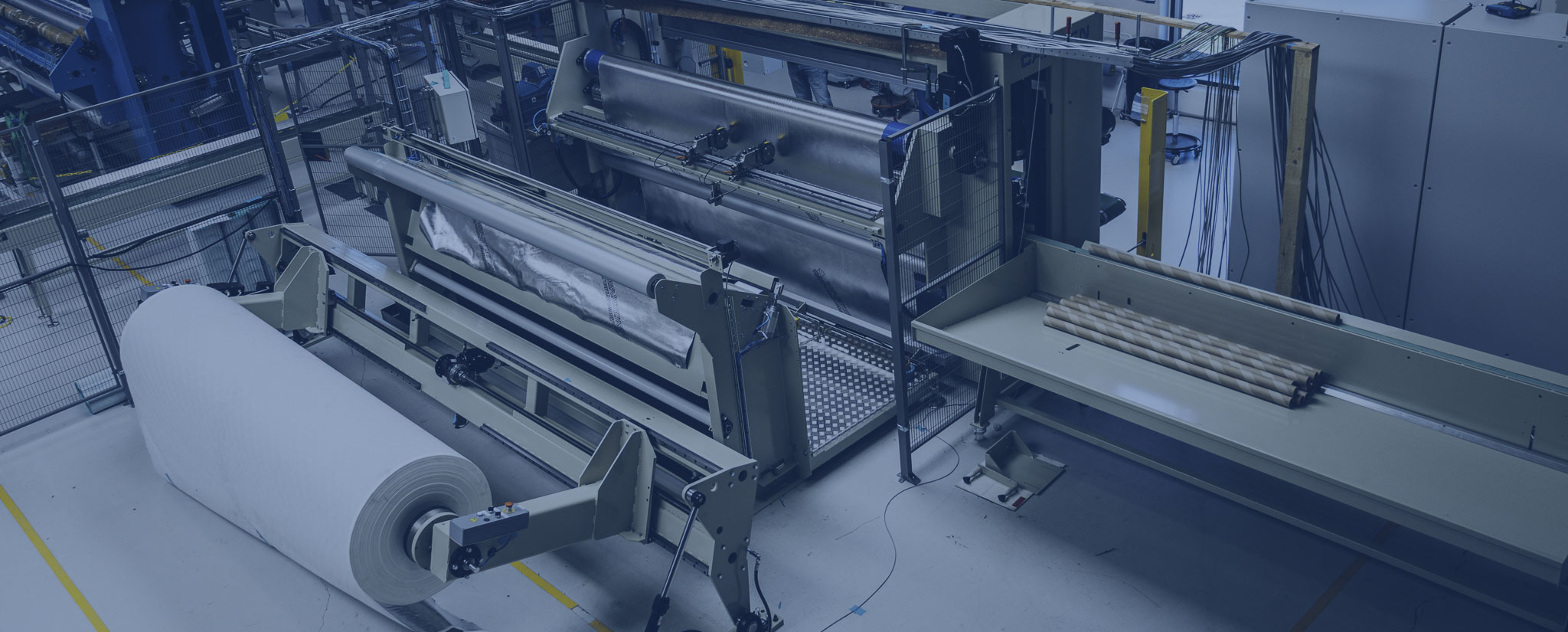
We deliver single machines and complete airlaid production lines. Core units include pulp preparation, defibrators, fibre distribution and SAP dosing. We also supply forming heads, through-air bonding, trimming, winding and slitting. Each module is designed for stable output and low maintenance needs.
Our nonwovens machinery experience covers upstream and downstream processes. We can integrate your line with converting and packaging equipment. This helps improve flow, uptime, grade changes and cleanability. It also helps you control quality and production costs.
Your project should start with trials and clear performance targets. In our airlaid test centre, you can run pilot trials. You can refine recipes, build samples and document process settings. This can reduce commissioning time and support customer approvals.
The Magic case shows how the journey from converter to airlaid producer can work. The project used structured trials, operator training and robust machinery. It also included on-site support during ramp-up and stabilisation. The result was verified quality and secure supply to downstream lines.
We apply the same structured method to each airlaid project. Your targets define the layout, automation level and support plan. The result is a line configuration built around your products, volumes and quality demands. It supports reliable daily operation and future production needs.
The move from converter to airlaid producer should be based on data. A clear project plan helps define products, volumes, raw materials and capacity. It also shows where pilot testing can reduce risk. CAMPEN uses this basis to match process design with business goals.
Line configuration must support both current products and future grades. This includes web width, speed, bonding method, automation and space requirements. It also includes service access, dust control and safe operator routines. A robust design gives your team a stronger start in airlaid production.
Considering in-house airlaid production? Talk to CAMPEN about airlaid technology, pilot testing and line configuration before you invest. Learn more about CAMPEN’s airlaid solutions or explore our airlaid test center.

Jens Erik Thordahl
Senior Airlaid Specialist