Choosing between fiber based packaging production methods affects quality, cost, utility demand and scale-up risk. Brands often move from plastic to fibre to meet policy targets and customer needs. The right route depends on geometry, barrier performance, surface quality and throughput.
Wet moulded fibre, paperboard conversion and airlaid dry forming all serve different needs. CAMPEN supports customers that need a reliable airlaid route for fibre-based material production. Airlaid technology forms fibres in a dry process, before later converting or shaping.
Most fibre packaging is made through three main production routes. Each route has clear strengths and limits. Your choice should match the target product, raw materials and total operating cost.
Wet moulded fibre disperses pulp in water. The slurry is vacuum-formed on tools, then dried and pressed. This route supports deep 3D shapes, formed rims and defined edges.
Water handling and drying energy are key cost factors. Tool design also affects wall thickness, detail and repeatability.
Paperboard conversion uses rollstock that is printed, cut and folded. It is efficient for simple 2D-to-3D packaging shapes. Board grades and coatings provide many key functions.
Airlaid dry forming disperses fibres in air and lays them into a web. The web is bonded thermally or chemically, then converted or formed downstream. This separates material production from final part forming.
Airlaid technology is relevant when fiber based packaging production methods require a controlled fibre web. The web can be converted into packaging parts or combined with other substrates.
The process is strong in thickness control, porosity control and stable fibre distribution. This supports consistent quality in later converting and forming steps.
Typical applications include protective inlays, absorbent pads, interleaves and lids with seal layers. Semi-rigid parts can also be produced after downstream forming.
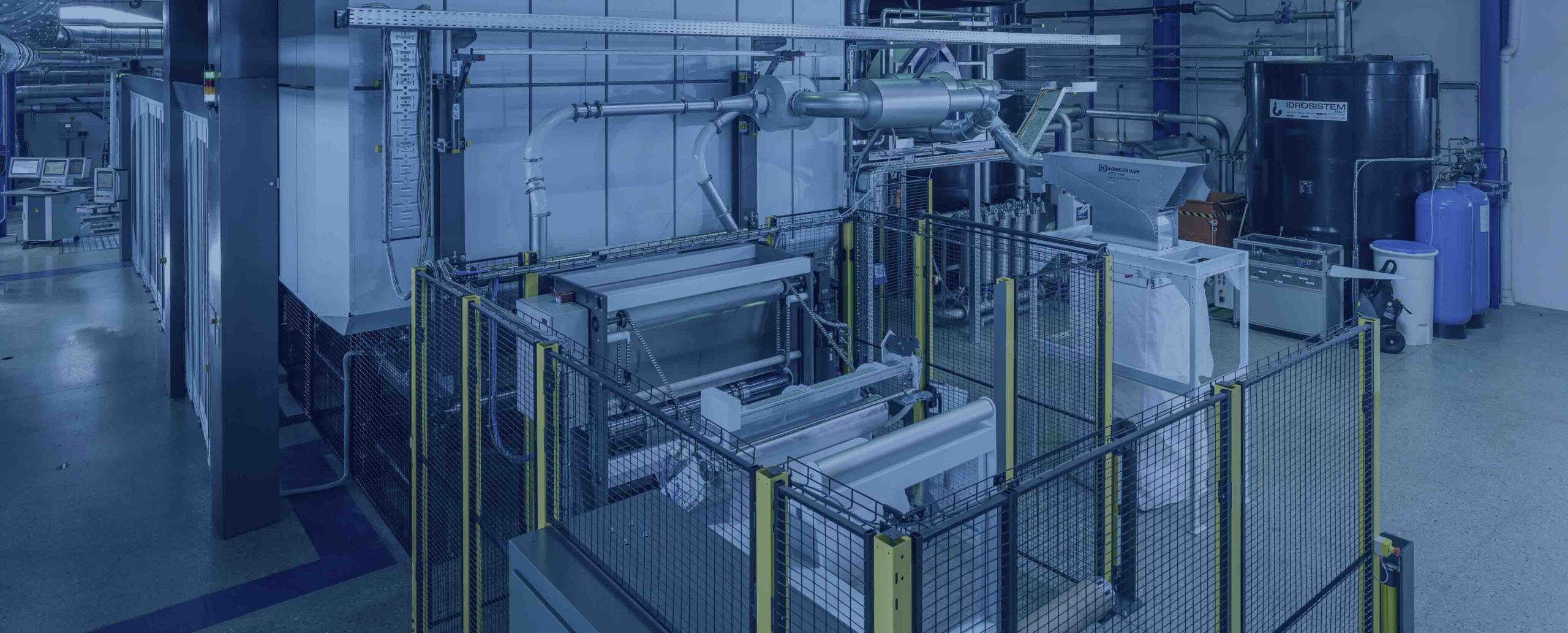
CAMPEN supplies complete airlaid lines and modules for fibre-based material production. Our systems turn pulp and fibres into a stable web for further converting.
We have worked with nonwovens since the 1970s. We bring process knowledge from hygiene, wipes and technical materials into packaging applications.
CAMPEN focuses on your product targets and process requirements first. Our engineers can model the line, run trials and support scale-up.
We design reliable, robust and easy-to-operate equipment. We also support commissioning, ramp-up, service and later upgrades.
CAMPEN supplies the airlaid route to fibre-based material production. Wet moulding tools and final part forming normally require other equipment. We collaborate with partners to support a smooth process handover.
Considering in-house airlaid production? Talk to CAMPEN about airlaid technology, pilot testing and line configuration before you invest. Learn more about CAMPEN’s airlaid solutions or explore our airlaid test center.

Jens Erik Thordahl
Senior Airlaid Specialist