Since the 1970s, CAMPEN Machinery A/S has helped nonwovens manufacturers build reliable airlaid production lines. We combine process knowledge with a clear, solution-oriented approach. Our focus is stable products, lower risk and efficient production. Airlaid raw materials influence quality, uptime, waste and total cost from the first trial.
With the right airlaid raw materials, you can protect your business case early. CAMPEN helps you test fibres, bonding agents and additives before you invest. You get clear data, robust recipes and a line concept designed for your product goals.
Airlaid products depend on fibre selection, fibre preparation and bonding strategy. Fibre length, cleanliness and fibreisation behaviour affect web formation and dust levels. Bonding agents and additives control bulk, strength, absorption, softness and product stability.
CAMPEN compares airlaid raw materials under realistic process conditions. This includes pulp, cellulose, fluff pulp, natural fibres, recycled fibres and biodegradable fibres. We quantify absorbency, wet strength, dry strength, caliper, density and dust generation. You see how each choice affects product quality and line performance.
We translate test data into practical production choices. You receive supplier grade guidance, blend ratios and bonding levels. These recommendations match your target properties, cost goals and planned production setup.
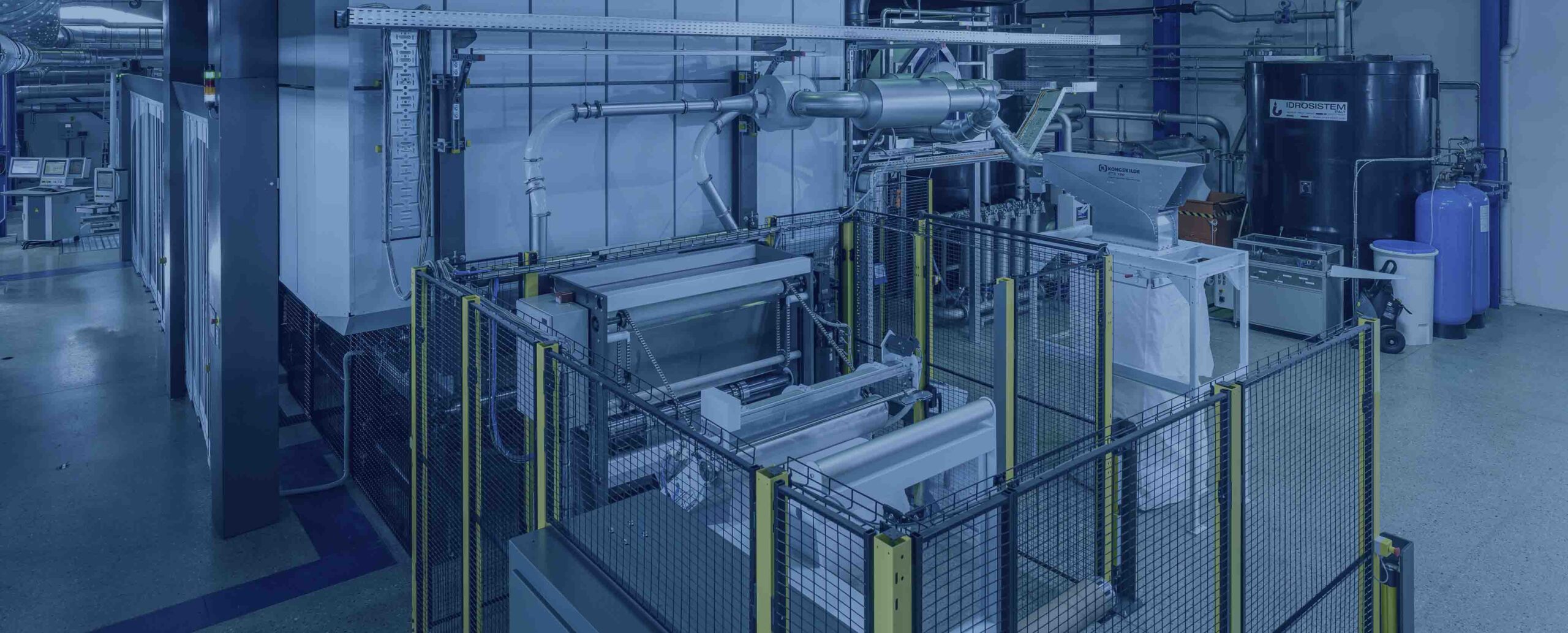
Pilot testing shows how airlaid raw materials perform before full-scale investment. CAMPEN’s airlaid test centre uses industry-relevant equipment and accurate process controls. We adjust fibreisation intensity, web forming, bonding temperature, dosing and line speed.
We test raw materials for airlaid production against your product brief. This can include cellulose airlaid production, fluff pulp airlaid production and natural fibres airlaid production. We also test recycled fibres and biodegradable fibres when they fit your goals.
We document each setting, result and adjustment. You see how pulp, fluff pulp and fibre blends behave during processing. We also report on pre-treatment, bonding changes and dosing adjustments. This gives your team a stronger basis for daily production control.
Many manufacturers buy airlaid products from external suppliers. In-house airlaid production can improve control, flexibility and product differentiation. It also requires a clear raw material strategy and a production line built around validated recipes.
CAMPEN starts with your airlaid materials and target products. Then we define the right recipe, process window and line concept. This helps align throughput, quality, utilities, staffing needs and future product changes.
Our airlaid lines are reliable, robust and easy to operate. We design for safe access, clean operation and stable production. Training and service help your team maintain consistent performance over time.
Raw material decisions should support both product performance and daily operation. CAMPEN links laboratory results, pilot data and line design into one practical plan. This reduces uncertainty before investment and supports faster start-up after installation.
For absorbent cores, wipes, table-top products, industrial pads or food packaging, material behaviour matters. Small changes in fibre quality or bonding level can affect forming, drying, cutting and converting. Testing helps identify these risks before they reach full-scale production.
A structured raw material strategy also supports purchasing and supplier dialogue. Your team can compare grades using measurable data, not assumptions. That makes it easier to control cost, specify materials and maintain product quality across production batches.
Considering in-house airlaid production? Talk to CAMPEN about airlaid technology, pilot testing and line configuration before you invest. Learn more about CAMPEN’s airlaid solutions or explore our airlaid test center.

Jens Erik Thordahl
Senior Airlaid Specialist