Since the 1970s, CAMPEN Machinery A/S has supplied robust nonwoven machinery worldwide. We help you turn product targets into safe, efficient production. If you move from external sourcing to in-house production, investment risk matters. We guide you on how to choose an airlaid production line using test data, process knowledge, and project experience.
We align the line with your products, raw materials, and growth plan. This helps you compare concepts and choose reliable airlaid equipment. Our process know-how supports stable quality, high uptime, and controlled production costs.
The first step in how to choose an airlaid production line is defining the product. Set target thickness, density, absorption, softness, and web width. Define if the product is a core material, top sheet, wipe, or laminate. These choices shape the airlaid line configuration and machine modules.
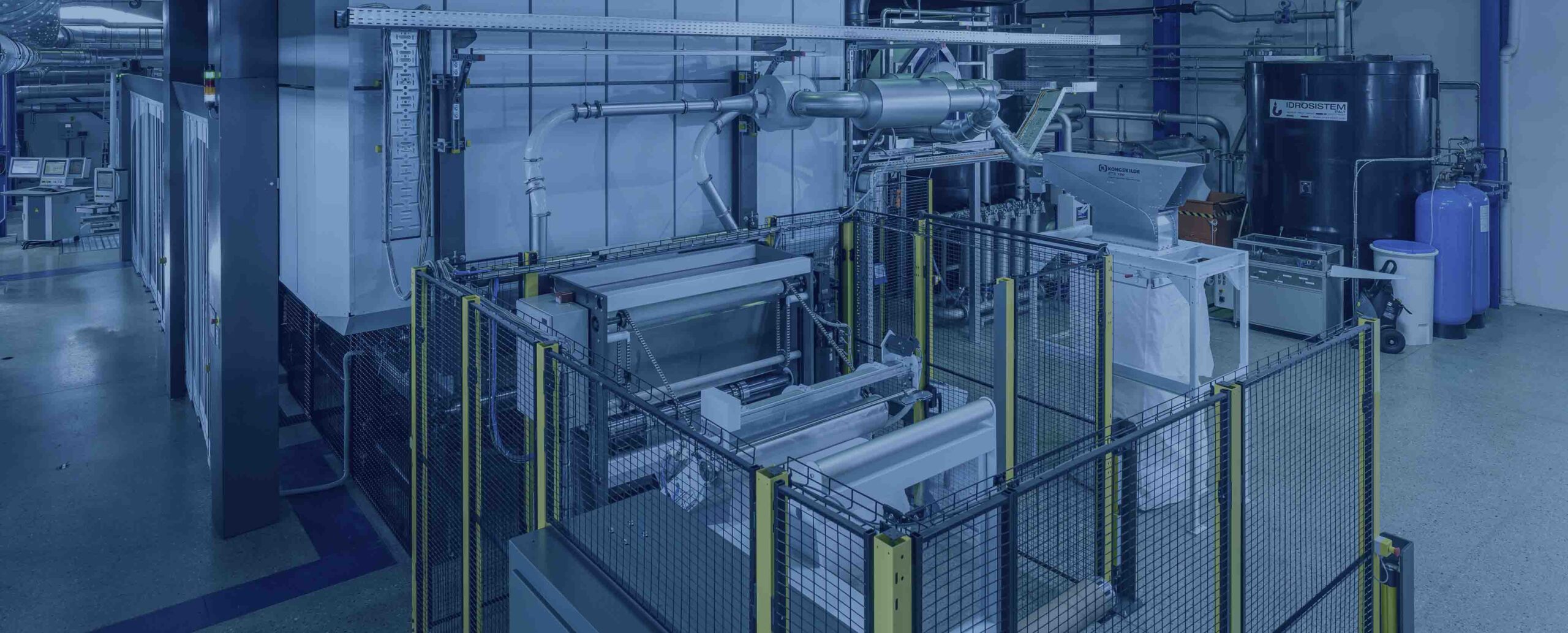
We use airlaid production technology and test facilities to trial your furnish. Trials generate material data, process settings, and realistic production limits. This supports airlaid production line design based on proven performance.
A core part of how to choose an airlaid production line is capacity planning. Balance today’s volume with your expected market growth. We design modular airlaid machinery that can scale with your roadmap. You can add forming heads, dosing units, or width options later.
This keeps capital use efficient and protects your upgrade path. It also helps you avoid oversizing the first investment. Reliable modules support future product changes without major disruption.
We integrate upstream and downstream equipment into one reliable flow. This can include bale opening, fibre dosing, forming, bonding, drying, calendering, slitting, and winding. Where relevant, we add coating, lamination, or packaging modules. Each airlaid machine choice supports speed, stability, uptime, or total cost per tonne.
Testing improves how to choose an airlaid production line before you commit capital. In controlled trials, we run your fibres, pulp, SAP, and binders. We confirm grammage windows, line speed, bonding temperature, and energy demand. This helps define a realistic turnkey airlaid line specification.
Test results also help you assess different production concepts. You can compare forming technology, bonding method, drying capacity, and product flexibility. This gives you a stronger basis for investment decisions.
Clear acceptance criteria are vital when you decide how to choose an airlaid production line. We define FAT and SAT requirements before final delivery. These checks prove capacity, quality metrics, safety systems, and control functions. They also support a smoother handover to your production team.
We include operator training and start-up support during commissioning. This can shorten ramp-up and stabilise yield. Remote diagnostics and spares planning help maintain uptime after start-up. Your team gets an easy-to-operate line with defined service support.
When you assess how to choose an airlaid production line, technical trade-offs matter. We show how forming, bonding, drying, energy use, and flexibility affect performance. You get a transparent basis for comparing airlaid production line concepts. This helps you choose the right solution for your market plan.
We design robust airlaid production lines around your product needs and materials. Our goal is stable output, safe operation, and controlled lifecycle cost. The final solution is reliable, easy to operate, and prepared for future upgrades.
Considering in-house airlaid production? Talk to CAMPEN about airlaid technology, pilot testing and line configuration before you invest. Learn more about CAMPEN’s airlaid solutions or explore our airlaid test center.

Jens Erik Thordahl
Senior Airlaid Specialist