Since the 1970s, CAMPEN Machinery A/S has supplied reliable, robust and easy to operate equipment for the nonwovens industry. If you are assessing how to start airlaid production, we help you make decisions based on facts. We combine process know-how, practical testing and structured project management. You get a clear route from product idea to stable output.
For many companies, how to start airlaid production is a strategic question. You may rely on external airlaid suppliers today. We help you assess if internal airlaid manufacturing is technically and commercially realistic. This makes the next step concrete, without reducing the technical complexity.
We focus on quality, predictable costs and safe operation. You work with one partner from concept and testing to line configuration, installation and ramp-up. This approach helps reduce risk before you invest in airlaid machinery.
The first step is a clear product brief. We help you define basis weight, thickness, absorbency, strength and softness. We also review end-use requirements, regulatory needs and quality tolerances. This creates a clear basis for each later decision.
This phase turns how to start airlaid production into a controlled technical process. We match feasible raw materials and binding methods to your product goals. We also assess cost, supply risk and production stability. You gain practical data before you commit capital.
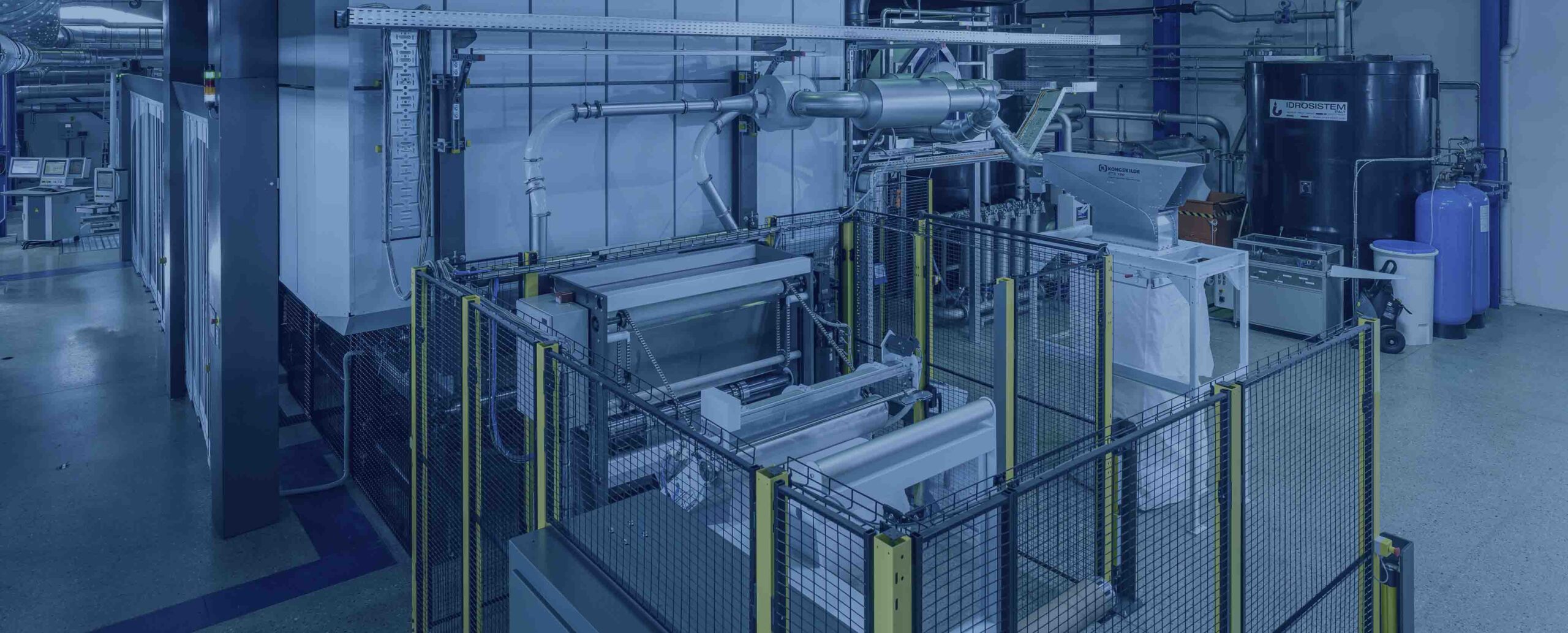
Our airlaid test centre supports practical learning before full investment. You can trial pulp grades, synthetic fibres, biopolymers and binders. We develop and optimise recipes under controlled conditions. The results support feasibility studies, customer samples and product approval.
Pilot trials are a key part of how to start airlaid production. They show how materials perform in the airlaid process. They also help define the production window for your product. This can reduce uncertainty before line configuration begins.
During pilot testing, we test material behaviour, fibre distribution and bonding performance. We measure throughput, quality, waste and energy data. These results help you build a stronger business case. They also support decisions on airlaid equipment, utilities and operator needs.
Pilot data also helps with scale-up. We convert test results into practical line requirements. This supports a robust airlaid production setup. It also shortens the path from trial material to saleable production.
When you ask how to start airlaid production, the line must fit the product range. We configure airlaid machinery around your width, speed and flexibility targets. Each module links to your recipes, quality needs and cost model. This helps avoid over-sizing or under-specifying the line.
We design each process area for uptime, safety and repeatable quality. Robust mechanics and accessible components help reduce maintenance time. Clear HMIs support operators during daily production. Inline controls help your team act before defects become waste.
Site readiness is critical when planning how to start airlaid production. We review utilities, dust management, ATEX and fire safety. We also assess noise, footprint and building interfaces. This helps avoid late changes during installation.
You receive layout drawings, load data and utility lists for planning. These documents help your site team prepare foundations, power, air and extraction. They also support dialogue with local authorities and internal safety teams. A prepared site helps shorten installation time.
Full production depends on more than installed airlaid technology. Your team must understand recipes, equipment and cause and effect. We support commissioning, process tuning and operator training. This helps you reach stable output faster.
Our airlaid equipment is built for reliability and easy operation. We also support later upgrades when your product range grows. Additional modules can extend capacity or flexibility. This helps your investment adapt to future market needs.
A clear start-up plan gives your team better control from day one. It also supports stable quality, lower waste and safer operation. With testing, line configuration and training aligned, airlaid manufacturing becomes a controlled investment path.
Considering in-house airlaid production? Talk to CAMPEN about airlaid technology, pilot testing and line configuration before you invest. Learn more about CAMPEN’s airlaid solutions or explore our airlaid test center.

Jens Erik Thordahl
Senior Airlaid Specialist