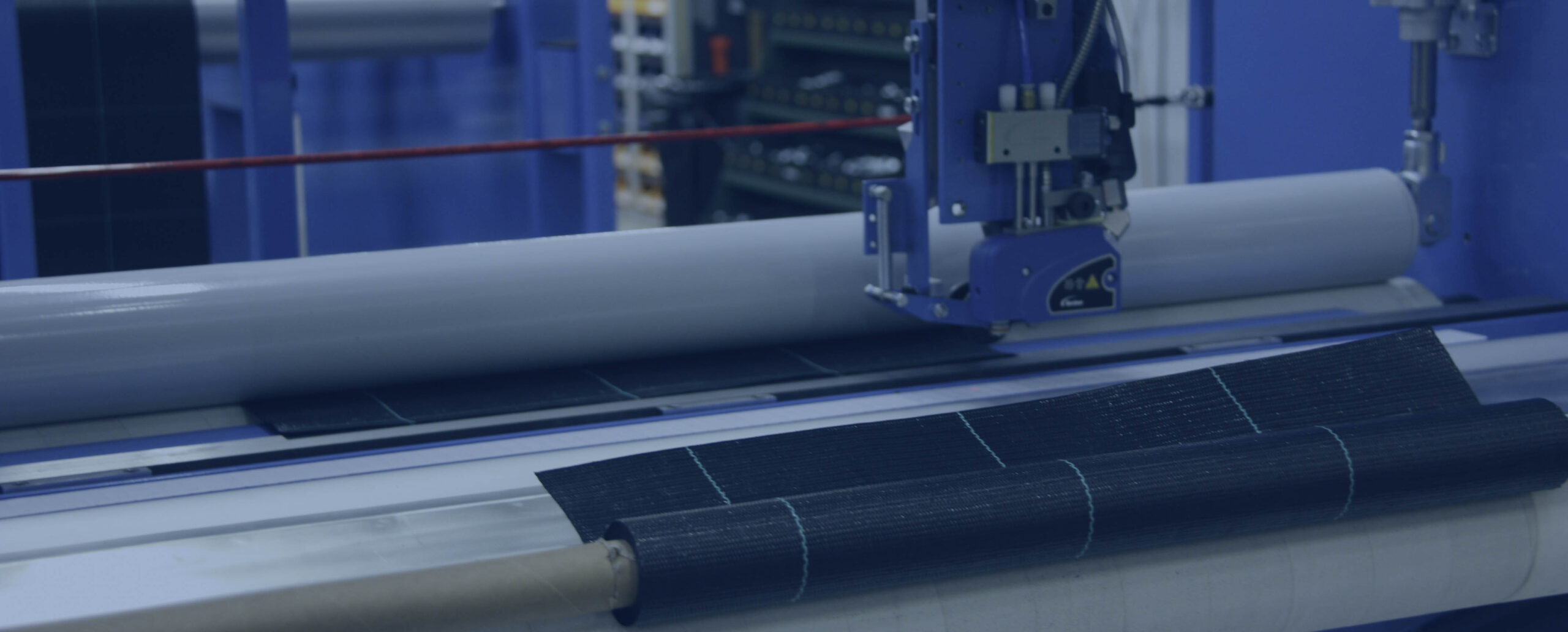
For decades, CAMPEN Machinery A/S has helped manufacturers move from initial concept to reliable airlaid production. We design and build robust, easy-to-operate airlaid machinery and provide technical support at every stage. If you are weighing buying airlaid vs producing airlaid, it is critical to analyse your needs in terms of quality, cost, supply security, and product development speed. Many companies start their journey by buying airlaid, but as business requirements and volumes change, producing airlaid in-house can unlock control and further benefits. Our solutions combine advanced machinery, extensive process know-how, and commercial data for converters and manufacturers who want to understand when to switch from buying to producing airlaid internally.
The decision between buying airlaid vs producing airlaid depends on several strategic factors. Many begin with external sourcing for its speed and low entry risk. Yet, continued growth or changing customer demands often spark reconsideration of the approach. In-house airlaid production introduces responsibilities like investment and new operational skills, but brings tangible advantages in flexibility and product innovation. Consider these factors when deciding the best path:
Pilot testing is a reliable step between buying and producing airlaid. With CAMPEN pilot trials, you can obtain product samples, generate valuable process data, and align your investment decision with real operational targets and stakeholder expectations.
Producing airlaid in-house provides robust process control and product traceability. You reduce batch variations and can meet strict tolerance and performance needs, which supports long-term supply partners and delivers better customer satisfaction.
When demand rises, producing airlaid can reduce total costs. Sourcing raw fibres directly removes supplier markups and unnecessary transport. Shorter lead times let you align inventory with real consumption, lowering handling and storage costs.
Rapid changes in product requirements demand flexible manufacturing. In-house airlaid lines enable you to accelerate recipe changes, custom trials, and new launches for hygiene, wipes, and technical product markets.
CAMPEN provides industrial airlaid machinery suited for both pilot and full-scale lines. All equipment is designed for durability, user-friendly operation, and easy upkeep—key for long-term success in the nonwovens industry.
CAMPEN has supported airlaid lines and nonwoven production since the 1970s. We help clients move from evaluating buying airlaid vs producing airlaid to stable, efficient lines:
Our modular airlaid solutions fit new or existing plants and offer easy recipe changes. Integrated safety and dust management protect both product and operators, while robust controls secure high line uptime and stable costs per tonne.
Case stories on companies switching from buying airlaid to producing airlaid in-house are available through our references. These highlight how changing requirements or increased volumes often trigger the move towards in-house production for more reliability and cost control.
For businesses with low or unpredictable demand, or standard products, buying airlaid remains cost-effective and quick to implement. Reliance on external partners is best suited for short time-to-market or where existing product standards match your needs. Determining the right time to move from buying to producing airlaid depends on volume growth, commercial targets, and strategic objectives. CAMPEN helps you clarify and quantify your tipping point, providing a reliable path as your needs evolve over time.
The choice between buying airlaid vs producing airlaid carries significant impact across quality, cost, and supply reliability. With thorough analysis and reliable engineering input, you can feel confident in your path forward.
Need help with your buying airlaid vs producing airlaid project? Talk to our engineers or request an assessment today. Learn more at campenmachinery.com/airlaid/ or contact us at campenmachinery.com/contact-us.

Jens Erik Thordahl
Senior Airlaid Specialist